Your house

Five houses, and what each one really needs.

Heat loss, the flow temperature it can reach today, the flow temperature after the work we would quote, and how many radiators change. These are our own averages from 412 surveys.

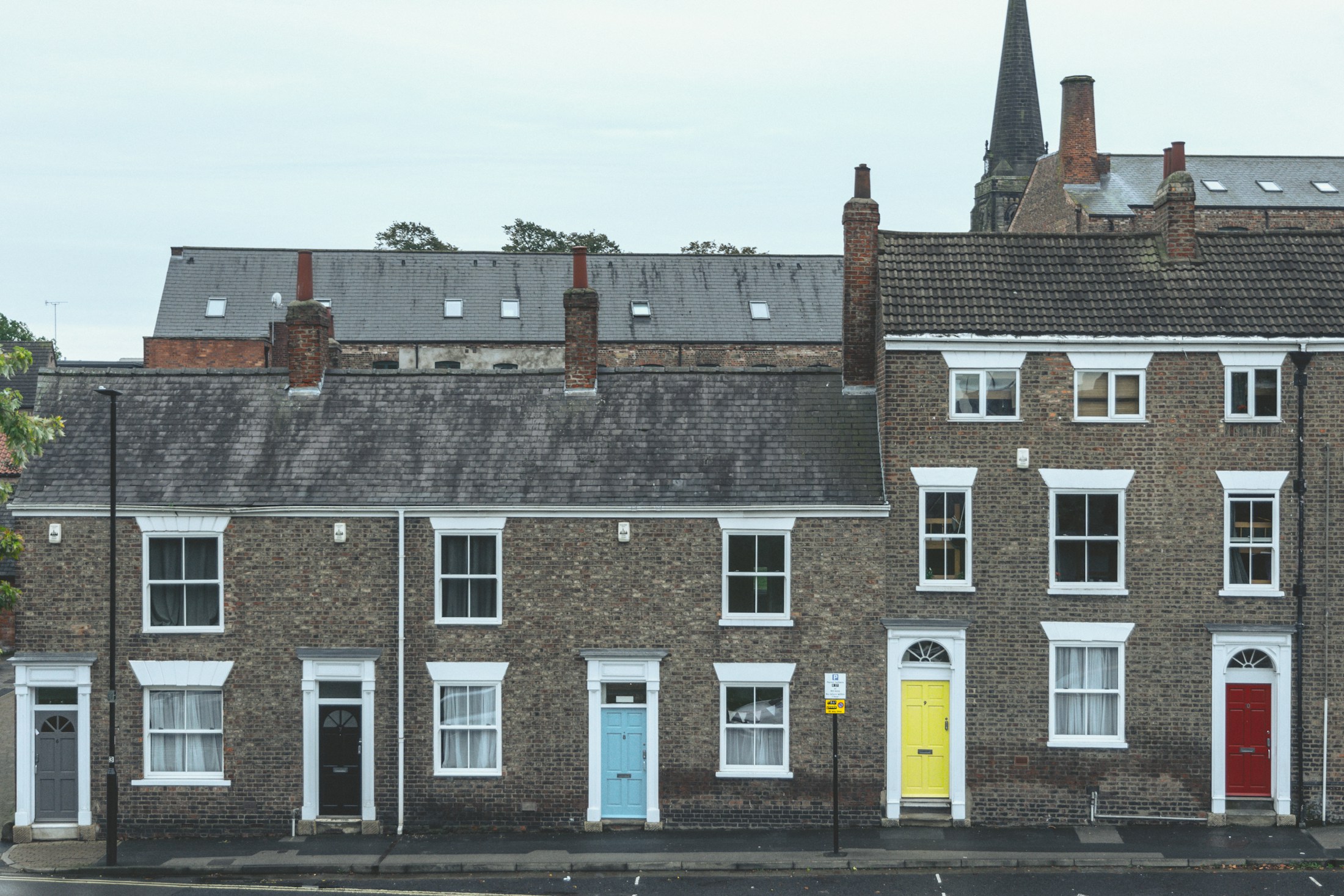
Victorian terrace

Victorian terrace

1890s, solid wall

Heat loss

9.5 kW

Demand

16.5 MWh

Flow, as is

55 °C

Flow, after

45 °C

Running cost£1,742 as is→£1,320 after the work· gas today £1,339

The hardest common case in Britain. Without insulating the solid walls you are paying to heat the street, and we will say so before we quote — even though the quote is bigger if we do not.

Radiators typically changed: About 70%
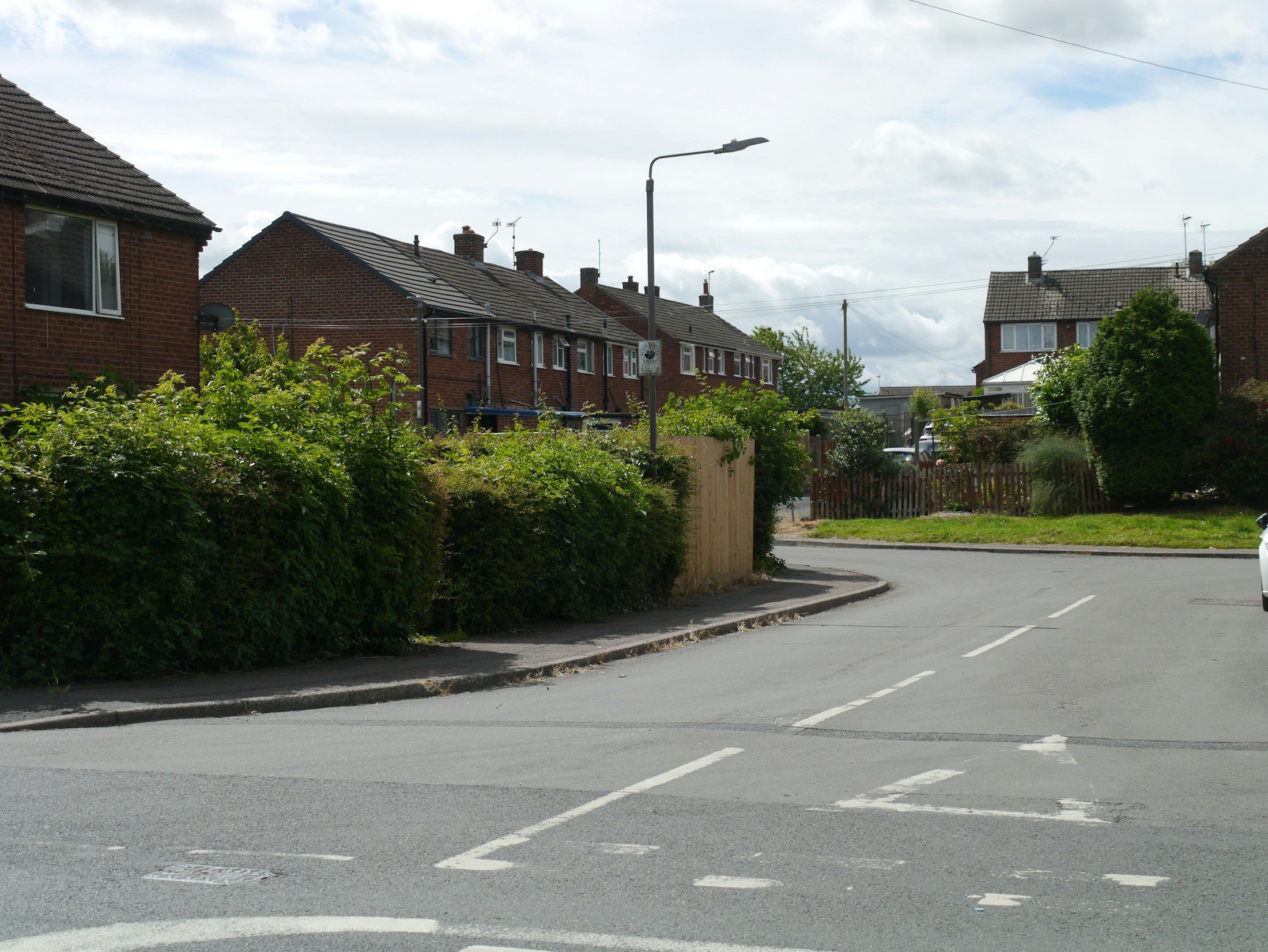
1930s semi

1930s semi

Cavity wall, mostly unfilled

Heat loss

8.2 kW

Demand

13.8 MWh

Flow, as is

50 °C

Flow, after

40 °C

Running cost£1,256 as is→£959 after the work· gas today £1,120

Fill the cavity first. It costs a fraction of the heat pump, it takes a day, and it moves this house down a whole flow-temperature step — which is worth more than any brand of heat pump.

Radiators typically changed: About 50%

1970s detached

1970s detached

Cavity filled, 100mm loft

Heat loss

8.8 kW

Demand

15.2 MWh

Flow, as is

50 °C

Flow, after

40 °C

Running cost£1,384 as is→£1,056 after the work· gas today £1,234

Usually a straightforward job. Top the loft up to 300mm while the scaffolding logic is fresh in your mind; it is the cheapest kilowatt you will ever buy.

Radiators typically changed: About 40%

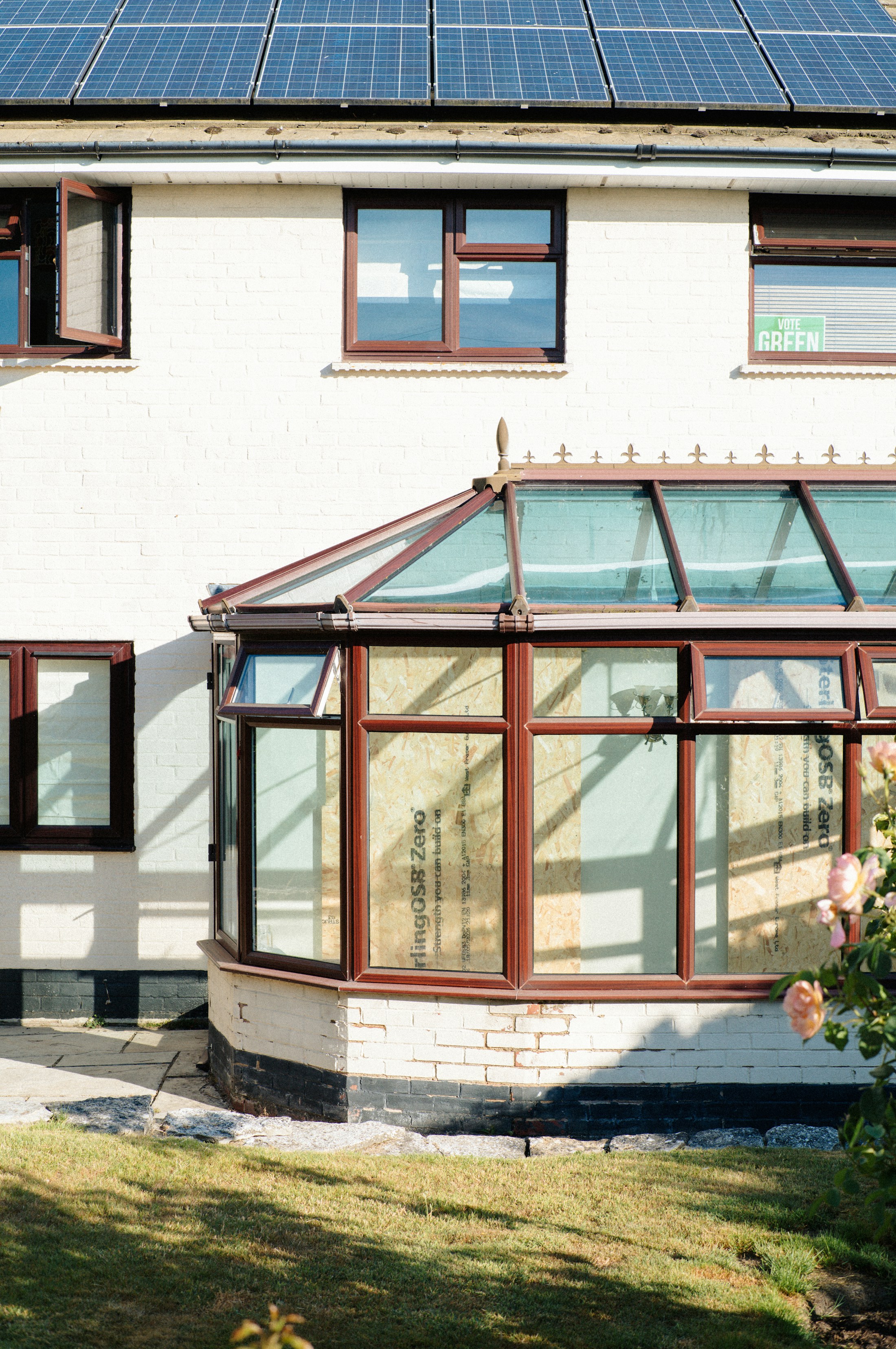
1990s estate house

1990s estate house

Cavity, double glazed

Heat loss

6.4 kW

Demand

10.4 MWh

Flow, as is

45 °C

Flow, after

40 °C

Running cost£832 as is→£723 after the work· gas today £844

Often runs at 45 °C on the existing radiators, which means a cheaper install and a lower bill than the neighbours expect.

Radiators typically changed: About 25%

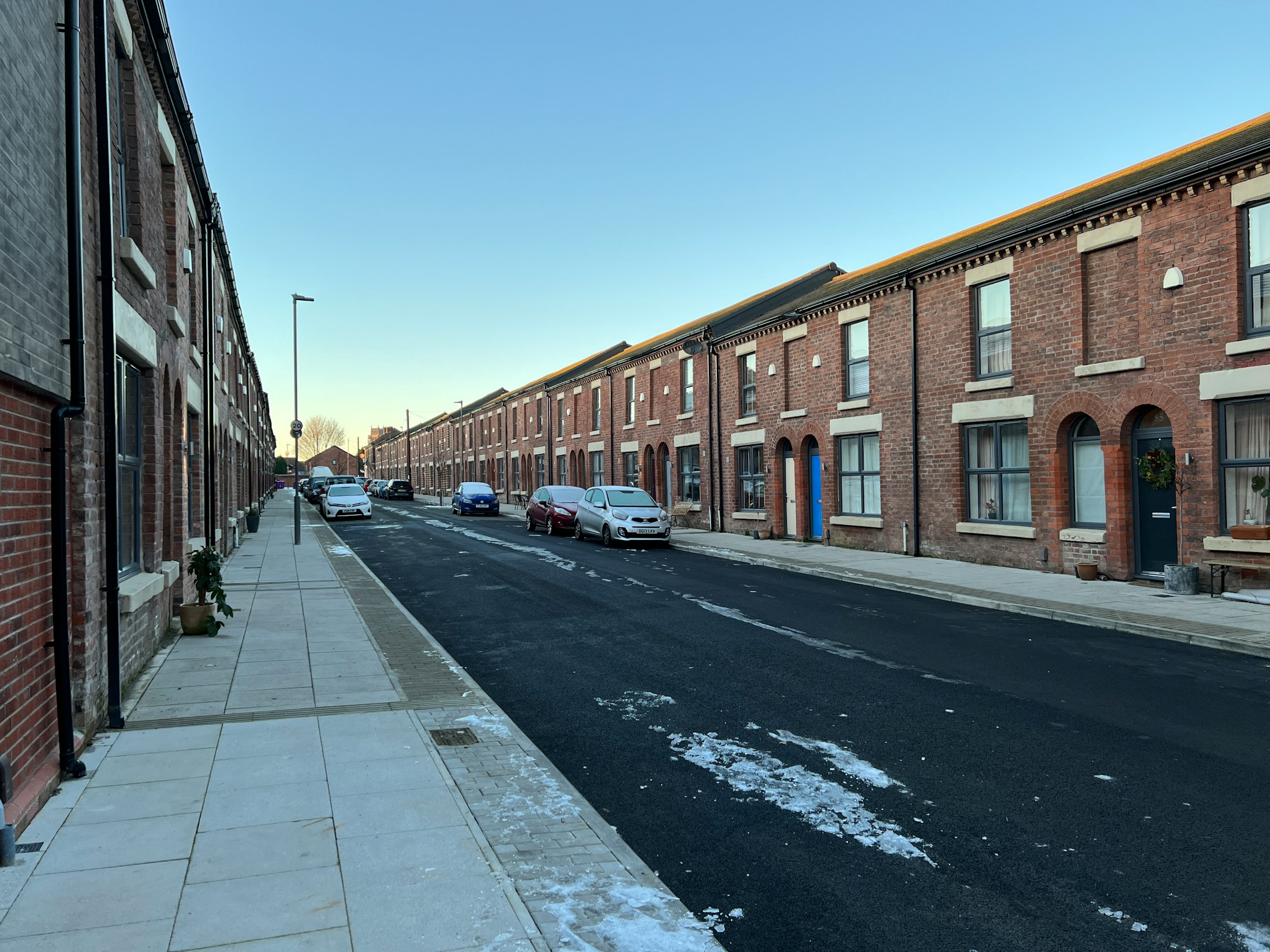
New-build flat

New-build flat

2015 onward, MVHR

Heat loss

3.4 kW

Demand

5.6 MWh

Flow, as is

40 °C

Flow, after

35 °C

Running cost£389 as is→£344 after the work· gas today £455

The easy case, and the one where the numbers genuinely beat gas from day one — provided there is somewhere outside to put the unit, which in a flat is the real question.

Radiators typically changed: None, usually