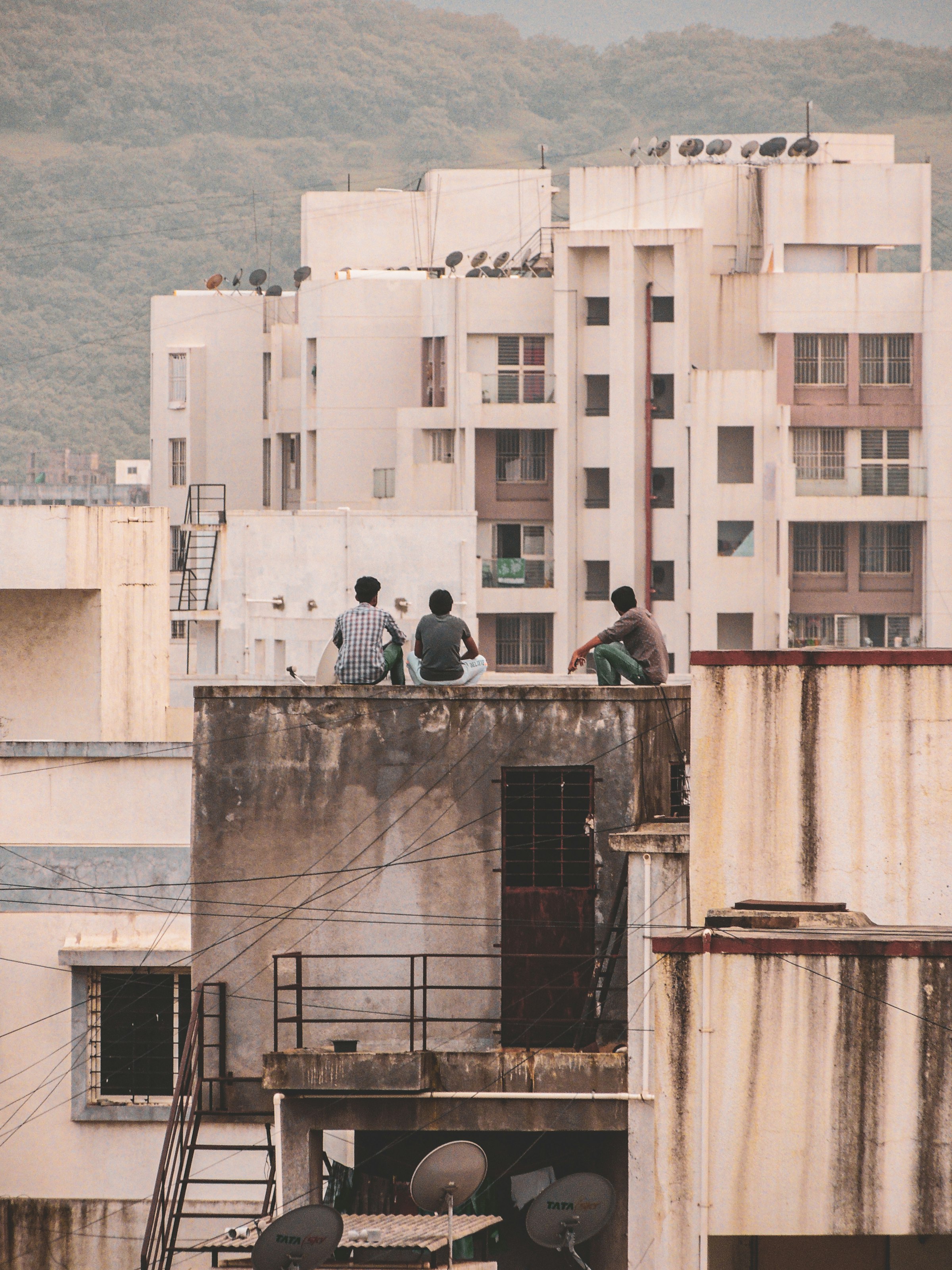
The subsidy is paid to you, not to us.
PM Surya Ghar pays ₹30,000 per kW for the first two kilowatts and ₹18,000 for the third, capped at ₹78,000. It lands in your bank account after the DISCOM inspects and the commissioning report is uploaded. Any vendor who wants to collect it on your behalf is telling you something.
PM Surya Ghar
The cap. A 5 kW system gets exactly the same rupees as a 3 kW one, which is why oversizing for the subsidy makes no sense.
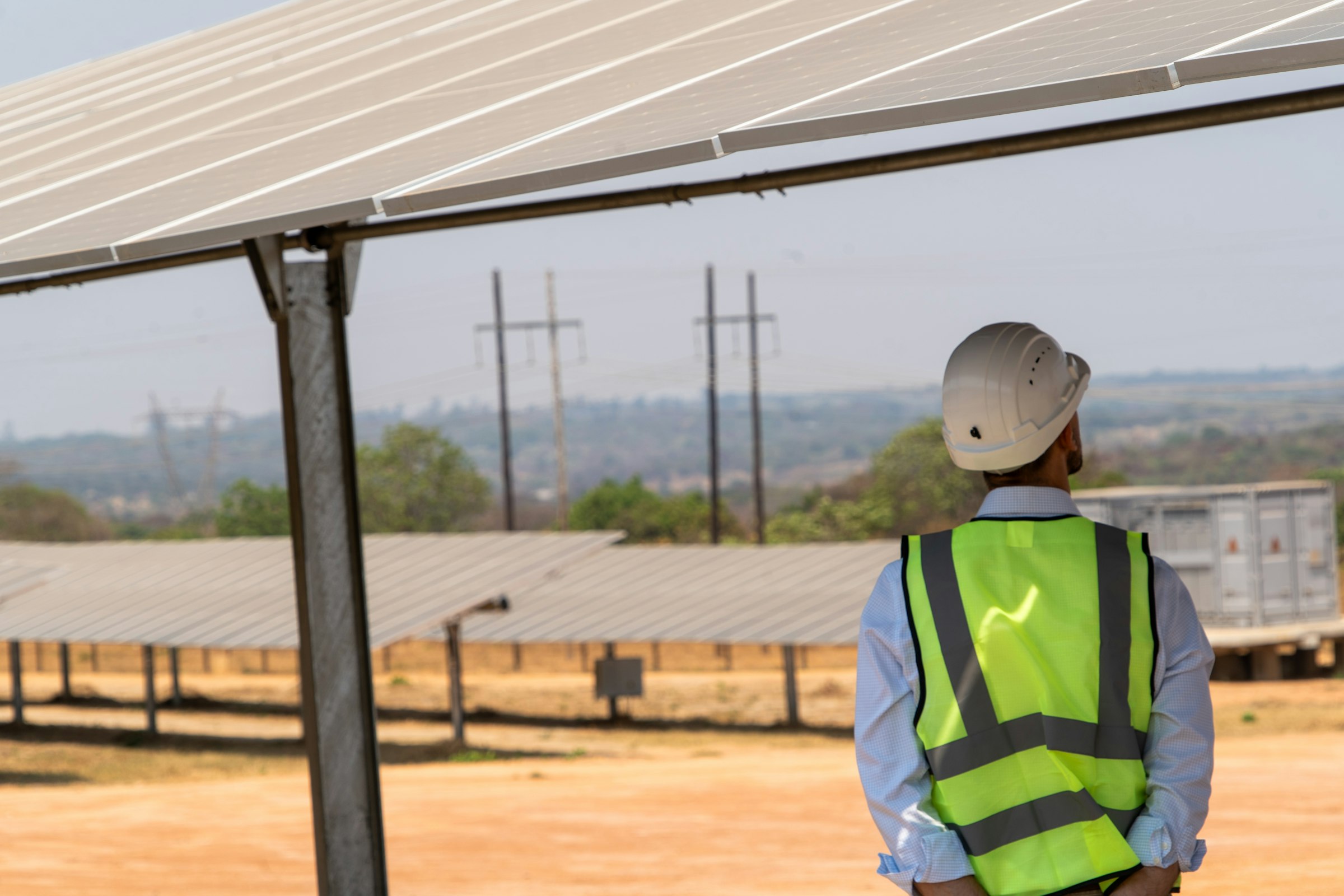
Six steps, and only three of them are ours.
Site visit
We measure the roof, log the obstructions with a compass and inclinometer, and read your last six bills. Free, and we will tell you on the roof if solar is a bad idea for you.
Portal registration
Application on the national portal against your consumer number, with us named as the vendor.
DISCOM feasibility
Torrent approves the capacity against your sanctioned load. This is the step that slips, and it is not in our control.
Installation
Structure, modules, inverter, cabling, earthing. We do not leave the roof unswept.
Inspection & net meter
DISCOM inspects, then installs the bidirectional meter. Commissioning certificate issued.
Subsidy credit
Paid by the ministry directly into your bank account after the commissioning report is uploaded. Never into ours.
The part of the arithmetic that quietly costs you money.
Units you generate and use immediately are worth your tariff — up to ₹5.60 in the top slab. Units you export are netted against what you import, month by month, and are also worth your tariff. But anything left over at the end of the settlement year is bought from you at the average power purchase cost, which is ₹2.25.
That is the whole reason we will not oversize a system. A bigger array does not earn you more at ₹5.60; past the point where it covers your own use it earns you 2.25, and it never repays the extra capital. It is also why the estimator on this site assumes 62% of what you generate is used in the house rather than 100%.
We will not quote you a three-year payback
It is the standard claim in this trade and it requires ignoring soiling, degradation, the fact that you are out of the house at noon, and the rate at which surplus is actually settled. Our honest number for a typical Ahmedabad household is between four and a half and five and a half years. That is still a good investment. It is just not the one on the pamphlet.
Solar will not run your house in a power cut
A grid-tied system shuts down when the grid goes down — it has to, or it would electrocute the lineman. If you want backup you need batteries, and batteries roughly double the cost while adding almost nothing to the savings. We will quote it if you ask. We will also tell you it ruins the payback.
We will not oversize past your sanctioned load
The DISCOM approves capacity against the load sanctioned on your connection. A vendor who sells you 8 kW on a 4 kW connection has sold you a rejection, or an application to raise your load that they did not mention.
We will not install on a roof with more than 20% shading loss
We have walked away from 63 roofs since 2017 for this reason. Panel-level optimisers help at the margin, and they are also the standard upsell used to sell a system that should not be there.
We do not promise the subsidy in thirty days
Nobody can. It is a government disbursement that follows a DISCOM inspection, and it lands when it lands. Our median across 2024 and 2025 installs was 61 days from commissioning. Our worst was 148.
We will not fit non-DCR modules and file for subsidy anyway
It is fraud, it is the most common quiet fraud in this sector, and the consumer is the one left holding it when the claim is rejected. If a quote is meaningfully cheaper than ours, this is the first thing to check.
We do not install on asbestos, or on a roof with under ten years left
The system lasts twenty-five. Putting it on a roof you will have to break in five means paying twice to take it off and put it back.
Write, or ask us to come and look at the roof.
We do not take work we cannot get a van to inside an hour, because the warranty is only worth what the service is.